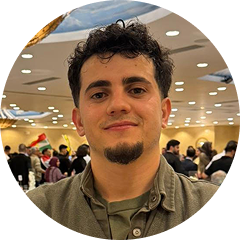
The New York Kurdish Cultural Center was founded in 2017 to showcase and promote Kurdish culture, as it has developed from ancient times to the present.
Over the millennia, Kurds developed sophisticated music, visual art, poetry, literature, folkloric dance, and theater; culinary and textile arts; and cinema. Yet the Middle Eastern countries were they live mostly repress their cultural expression. In Turkey and Iran, Kurds who speak their mother tongue, wear traditional clothing, and practice longstanding traditions are routinely subjected to persecution, violence, and imprisonment.
We believe that a people’s freedom to affirm and express ethnic identity is an essential human right. No one should be punished, let alone tortured, for singing a song in their mother tongue. For that reason, preserving and advancing Kurdish culture is not only a matter of self-expression but a crucial part of the Kurdish freedom struggle.
By creating events, screenings, and exhibitions in the New York area, we aim to strengthen our diaspora community and provide a space for Kurdish Americans from diverse communities of origin to reclaim, celebrate, and advance their shared cultural traditions, to find common ground and build friendships.
And by contributing to the melting pot of diverse cultures, we seek to advance multiethnic democracy and an equitable society.
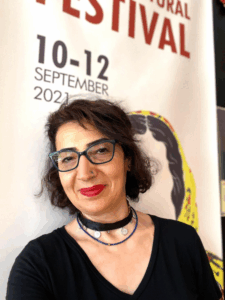
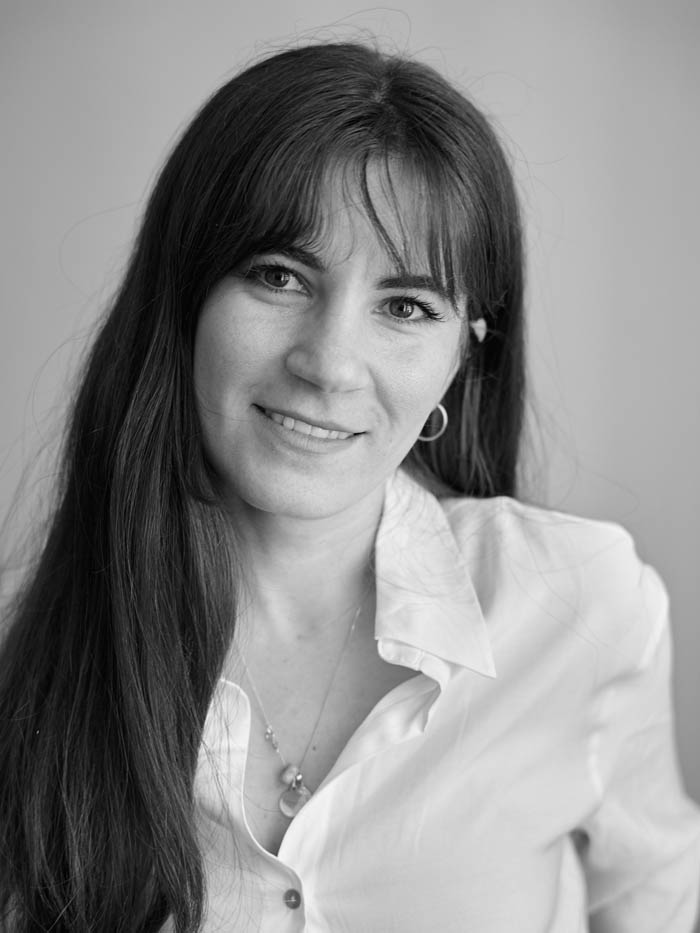
Xeyal is the founder and president of the New York Kurdish Cultural Center (NYKCC) and the director of the annual New York Kurdish Film Festival (NYKFF). She also serves as the U.S. representative for the Rojava Film Commune. Through film screenings, public talks, and cultural programming, Xeyal creates platforms for reflection, dialogue, and collective pride—reclaiming identities historically silenced and fostering a sense of belonging.
Xeyal serves as a judge on various platforms, including the 2025 Mid-America Emmy® Awards.
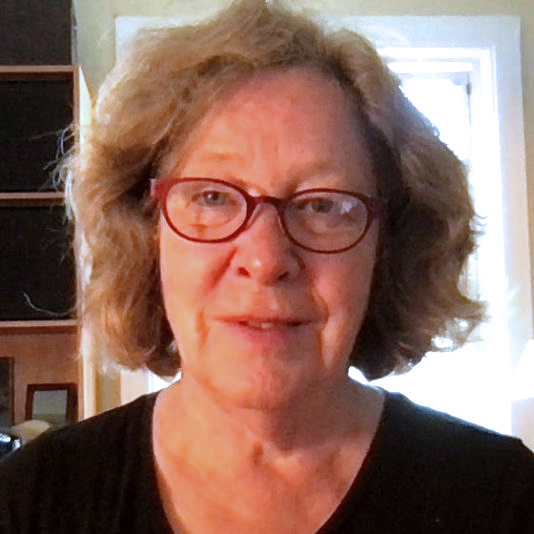
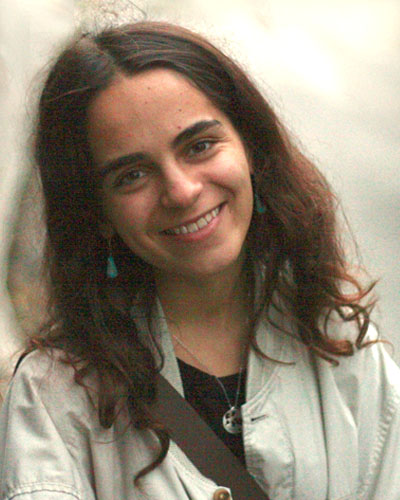
Janet has copyedited manuscripts for New York book publishers for several decades. She is the author of Ecology or Catastrophe: The Life of Murray Bookchin (2016). She has translated several books about Kurdish issues from German to English, including Democratic Autonomy in North Kurdistan (2014), Revolution in Rojava by Knapp et al. (2017), and Sakine Cansız’s memoir SARA, 2 vols. (2018, 2019). She wrote and illustrated the graphic memoir Their Blood Got Mixed: Revolutionary Rojava and the War on ISIS (2022). She participated in the collaborative translation (Turkish to English) of Gültan Kisanak’s The Purple Color of Kurdish Politics (2022). She is currently provides content for the NYKCC’s website and works on fundraising.
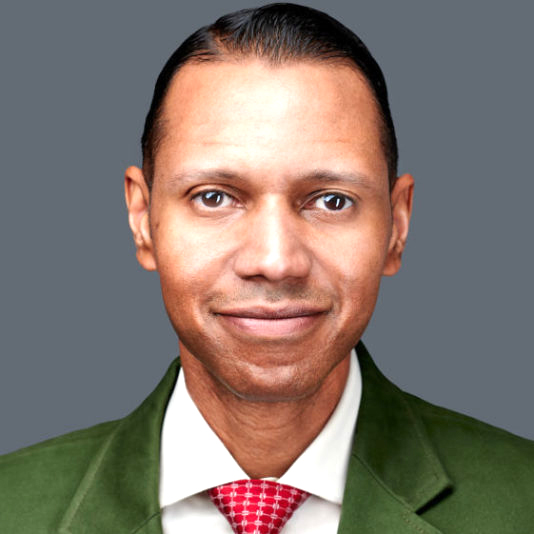
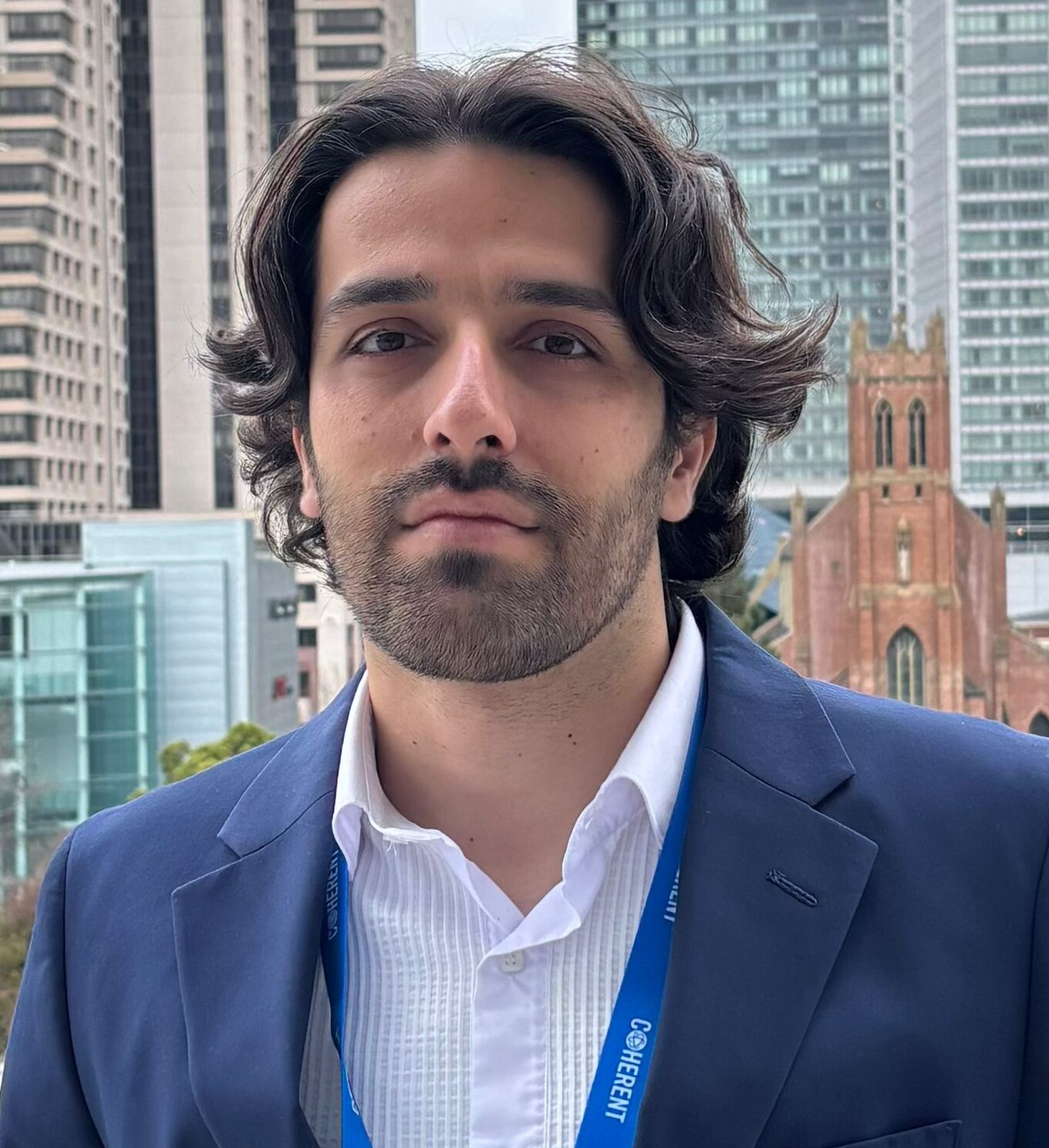
Myles is a retired U.S. Army colonel who served three year-long combat tours in Iraq. As spokesperson for the Global Coalition to Defeat ISIS in Iraq and Syria, he led a multinational communication team representing 78 nations. He served as the U.S. Army’s visiting fellow at the Council on Foreign Relations, where he is a life member. He is a senior nonresident fellow at the New Lines Institute for Strategy and Policy, where he provides expertise on public information warfare, Iraq, Syria, U.S.-Kurdish relations, ISIS, and military culture. He has lectured, paneled, and keynoted at numerous institutions. With 26 years of national security leadership and communication experience, he currently heads Word Warriors LLC, which provides specialized language and translation services, executive communication coaching and advice, and business consulting in Iraq’s Kurdistan Region. With his extensive international media experience and relationships with journalists—particularly on Arabic and Kurdish language networks—he is a cross-cultural communication leader.
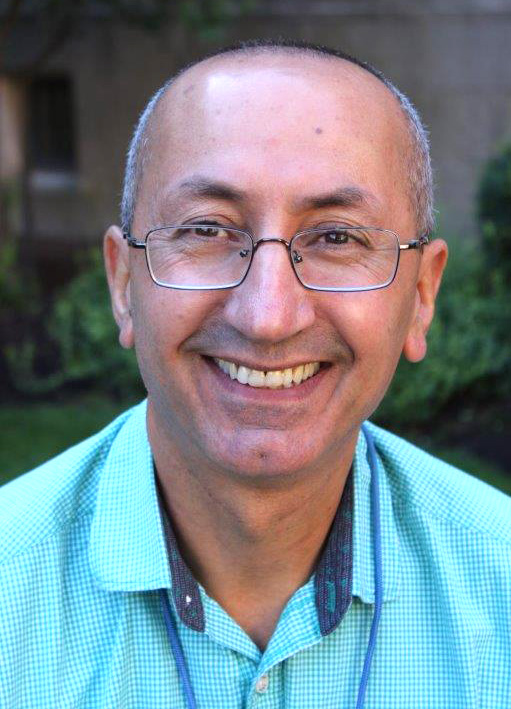
Yek is an academic librarian. He is originally from Çolig (North Kurdistan) and has been living in the United States since 1989.
He received his B.A. from Philipps-Universität Marburg and master’s in library science from Queens College, City University of New York.
Yek knows Kurdish (Kurmanci and Zazaki), Turkish, German, and English and is an advocate of the Kurdish issue.
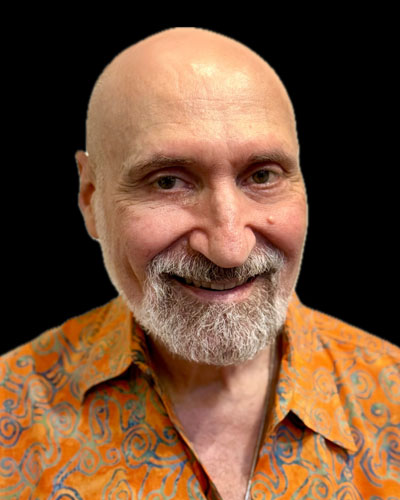
Michael L. Chyet served as cataloger of Middle Eastern languages at the Library of Congress until his retirement in June 2024. Formerly he was senior broadcast editor at the Kurdish Service of the Voice of America, and professor of Kurdish at the University of Paris and at the Washington Kurdish Institute. Dr. Chyet holds a Ph.D. in Middle Eastern folklore and Middle Eastern languages from UC Berkeley. He currently teaches Kurdish via Zoom for Missouri State University. He does some private tutoring in his spare time.
The second edition of Dr. Chyet’s Kurdish-English dictionary, Ferhenga Birûskî, appeared in January 2020. He is currently working on a third, expanded edition. He has published articles on Kurdish and Middle Eastern folklore and Kurdish linguistics. Folklore genres of particular interest to him include riddles, proverbs, folktales, and romances.
Threatened minority languages are a special interest of his, including Kurdish and the Neo-Aramaic languages of the Christian and Jewish minorities of Kurdistan. He has also studied Irish (Gaelic), Yiddish, and Cherokee—his first Native American language. As Michael puts it, “Anyone interested in Kurdish is sooner or later deposited at my doorstep.”
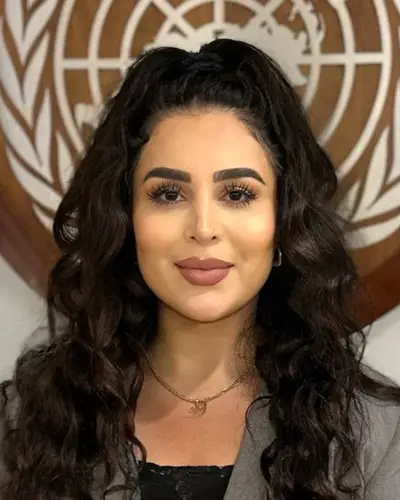
Rez is an international human rights lawyer, advocate, and trailblazer in the global refugee leadership movement. She currently serves as special assistant to the UN High Commissioner for Refugees.
Born stateless as a Kurdish refugee, Rez has dedicated her career to advocating for marginalized communities and addressing systemic inequalities through a combination of legal expertise and grassroots advocacy. Her work bridges the gap between law, policy, and lived experience, driving systemic change and justice for those most affected by displacement and persecution.
Rêz is a Harvard-educated lawyer admitted to the bar in New York and New Zealand and also has degrees in international relations and politics. She leverages her unique perspectives to champion human rights and to amplify the voices of underrepresented communities on a global scale.